To advance to a new karate level, the karate belt holder takes a formal test called a. There are 6 belt colors:

Belts In Karate - Karate Belt Colors And Ranks - Karate Training
The color of the belt indicates her rank and in theory, her ability.
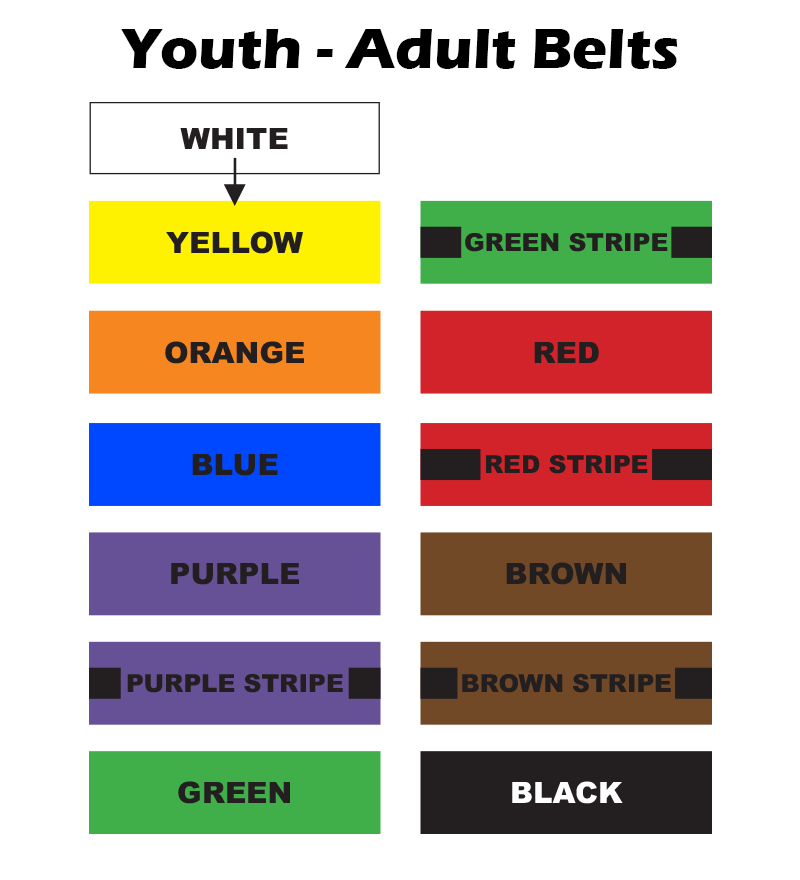
Karate belt color sequence. Karate belts are used to indicate when a student has been promoted to the next level. The green belt is a significant transition for students, as this belt color is a representation of the seedling actually sprouting from beneath the earth and beginning to explore a new world of possibilities. All belts besides the white belt can have dashes to indicate further progress.
Each step forward represents a further accumulation of skills and knowledge.the rank system provides a visible measurement of the student’s progress. There are more colors, and they don’t represent the fashion statement. In japanese culture, white signifies the change a person makes from one.
The number and order of martial art belts can vary depending on specific martial arts. Martial arts belts consist of 9 belt colors: Here are the basic karate belts and their meanings.
Some of the correct orders of the colors of belt are given below − white, yellow, orange, green, blue, purple, red, brown, black If you would like a printable version of the belt test requirements, click on the link below. The martial arts belts at some schools are awarded in solid colors.
What is the progression of belts in karate? The target is awarded on the ninth kyu of karate. Karate uses a coloured belt system to show your progress, earning you a different karate belt colour when you pass your exam.
It is white because it represents purity, cleanliness, innocence of spirit and the light that is diffused. Improved karate technique and deeper knowledge of the 3 elements of kihon (basics), kata (form) and kumite (sparring) needs to be shown before the next karate level can be awarded. A common sequence of advancement by color is white, yellow, orange, green, blue, purple, brown, black, and red.
The order of the karate belts also differ in different schools. While they vary across disciplines, the colors in between signify various stages of growth and development. The martial arts belts at some schools are awarded in solid colors.
The sequence of colors as well as the relationship between rank and belt color (kyu) differs from school to school. The coloring represents the student’s mind and body opening up to new potential and beginning to strengthen and develop. There are no belt testing requirements for this level.
Also, in a blue belt you can see the fluidity of movements, like water. The colour blue means calmness, responsibility, strength, and reliability, and blue belts typically embody these qualities. Green signifies the branches and leaves growing upward and outward, reaching toward the sky.
After reaching the black belt, a student has to go through different levels or dans, which are in an increasing order from 1 to 10. The colors in between signify various stages of growth and development. You start with a white belt, then working your way through the different coloured karate belts:
White belt, yellow belt, orange belt, green belt, blue belt, purple belt, black belt, and red belt. Though this is a myth, to this day, we can still see the hardship of a karate practitioner, and the difficulty level of karate is varied from white belt to black belt. At the black belt level, the term dan (meaning phase and pronounced dahn) replaces gup as rank indicator.
Green belts are the last in the intermediate stages of training. White is the color for novices, for new students who decide to learn karate (although this color is also used for judo and taekwondo). In other schools, belts can also include stripes.
In this article, i will tell you everything about martial arts belts colors, what are the highest ranked martial. In other schools, belts can also include stripes. The yellow belt represents the emerging sun, the green the growth under the sun, the blue as the sky as we grow towards the sun, the red is the heat of the sun, and the black as the universe, and knower of all things.
A common sequence of advancement by color is white. There are ten dan degrees, starting with the first and ending with the tenth. A common sequence of advancement by color is white, yellow, orange, green, blue, purple, brown, black, and red.
Here is a summary of the different karate belts. White belt, orange belt, blue belt, yellow belt, green belt, brown belt, and black belt. Ranking or kyu always begins at 10 and ends at 1.
All dan degrees are represented by a black belt. Embroidered stripes, generally in gold, indicate the black belt degree achieved. Quite a story, isn’t it?

Trial Ranking System Martial Arts Martial Arts Belts Martial
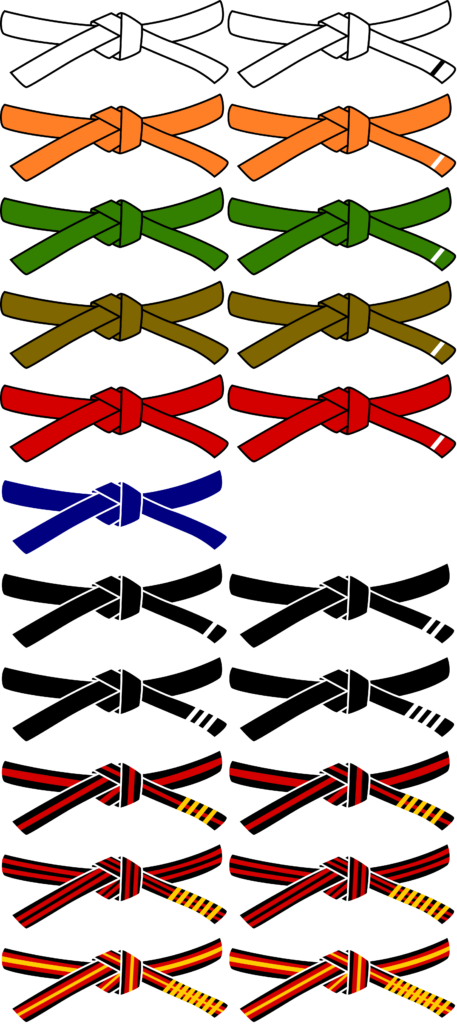
Belt System And Test Requirements Traditional Global Tang Soo Do Association
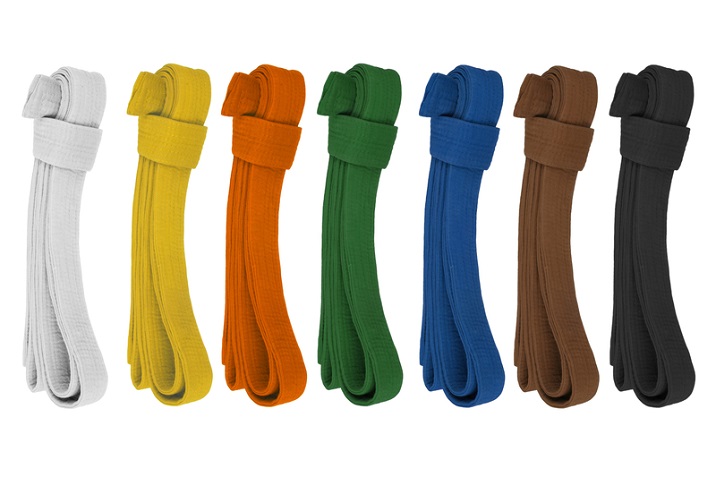
Karate - Belt Colours Meaning
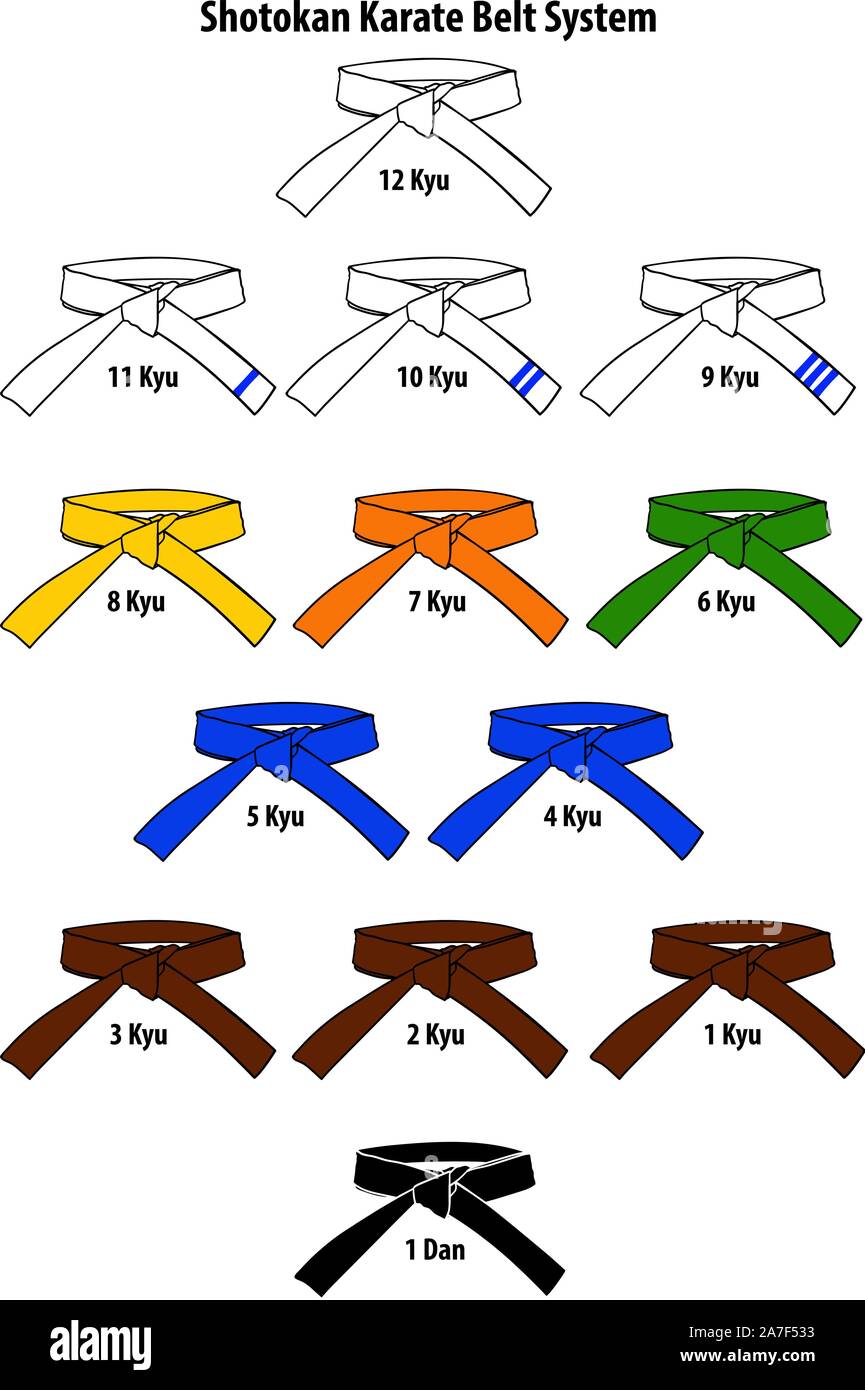
Colored Karate Belts Stock Vector Image Art - Alamy

What Do The Karate Belt Colors Mean
Belt Order Stripes Gkx Martial Arts

The History Of Belt Ranking In The Martial Arts Premier Martial Arts

What Is The Correct Karate Belt Order Belt Colors Levels - Youtube
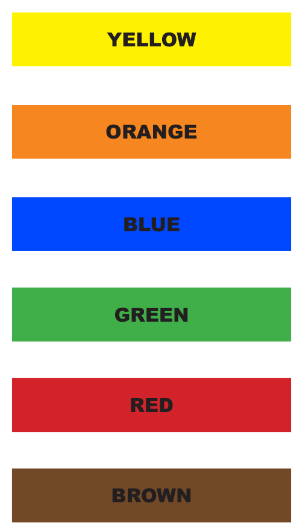
Belt Order Stripes Gkx Martial Arts
Hapkido Belts In Order - Images Nomor Siapa

Technical Syllabus Kyokushin-kan Indonesia


What Is The Order Of Belts In Karate

Update - Belt Colours
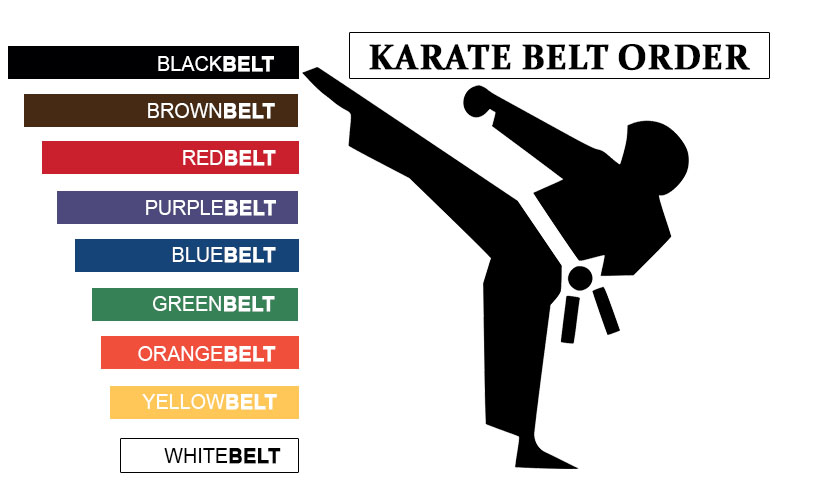
Karate Belt Order Karate Belts Ranking Karate Belts Order Types Rank
Can You Name All The Degrees Of Belts In Karate In Order - Quora
Hapkido Belts In Order - Images Nomor Siapa

Purpose Of The Belts - World Martial Arts Center Minneapolis Mn


Tae-kwon-do-belt-system Taekwondo Belts Taekwondo Taekwondo Belt Display

Karate Belt Colors Karate Belt Karate Belt Colors Karate
Comments
Post a Comment